

TRUE NORTH ENVIRONMENTAL

This is your Services Page. It's a great opportunity to provide information about the services you provide. Double click on the text box to start editing your content and make sure to add all the relevant details you want to share with site visitors.
Helping Farmers
We help farmers identify conservation improvements like livestock fencing, buffers, stream crossings and erosion control, and work with conservation districts to access available cost-share funding.

Riparian Buffer
A riparian buffer is a strip of native grasses, shrubs, or trees planted along streams and waterways on agricultural land to stabilize banks and filter runoff. These buffers reduce soil erosion, trap sediment and nutrients before they enter the water, and improve overall water quality. They also protect valuable farmland by preventing streambank loss and supporting long-term land health.

Livestock Exclusion Fence
A livestock exclusion fence is installed along streams and sensitive areas to prevent cattle and other animals from entering waterways. This reduces streambank erosion, limits sediment and nutrient runoff, and protects water quality. Exclusion fencing also improves pasture management and herd health by keeping livestock on stable, productive ground.

Stream Crossing
A stream crossing is a stabilized access point that allows livestock or equipment to cross waterways without damaging the streambed or banks. Constructed with stone, geotextile fabric, or culverts, crossings prevent erosion, reduce sediment runoff, and protect water quality. Properly installed crossings improve farm efficiency while maintaining long-term stream stability.

Heavy Use Area Protection
Heavy use area protection involves stabilizing high-traffic livestock areas—such as gates, feeding zones, and watering sites—with stone and geotextile fabric to prevent mud and soil breakdown. This reduces erosion and sediment runoff while improving footing and safety for animals. Proper stabilization protects nearby waterways and maintains long-term pasture productivity.
Erosion Control Practices
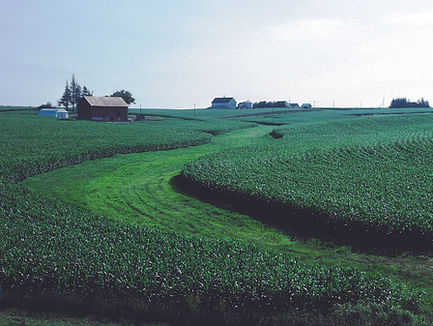
Farm erosion control practices are designed to reduce soil loss and manage stormwater runoff across agricultural land. Techniques such as grassed waterways, cover crops, diversions, and stabilization measures help slow water flow, prevent gully formation, and protect valuable topsoil. These practices improve long-term productivity while safeguarding nearby streams and water quality.
.jpg)
All Lands
.jpg)
Stream Restoration
Stream restoration on non-agricultural land involves stabilizing and reshaping degraded stream channels to reduce erosion and improve natural flow patterns. Using natural materials, grading, and native plantings, restoration efforts protect property from bank failure while enhancing water quality and habitat. These improvements provide long-term stability and environmental benefits for private and community properties.

Pond Improvements
Pond improvements on non-agricultural land focus on restoring proper function, stabilizing shorelines, and improving water quality. Services may include sediment removal, bank stabilization, outlet structure repairs, and native plantings to reduce erosion and enhance appearance. These upgrades extend pond lifespan while protecting surrounding property from drainage and overflow issues.
Riparian Planting
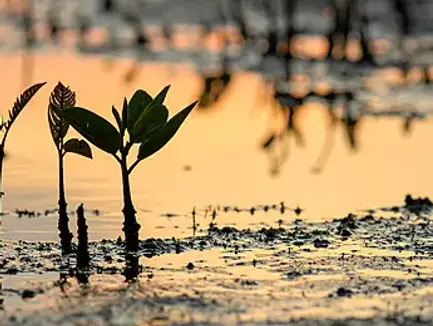
Riparian planting involves installing native trees, shrubs, and grasses along streambanks to stabilize soil and filter runoff. These plantings reduce erosion, improve water quality, and strengthen streambank structure over time. Properly designed riparian buffers also enhance habitat and provide long-term protection for surrounding property.
Support Local Small Business
Choosing a local small business means working with a team that understands the specific environmental conditions, regulations, and community needs of the area. Local companies also provide more personalized service, accountability, and reinvest directly into the community they serve.